




Your eating and drinking habits are part of oral care, alongside brushing, cleaning between teeth and dental visits. No single food replaces those habits.
Think about the overall pattern
The ADA recommends a balanced diet with limited sugar. Both what you consume and how often matter. Build meals around varied foods that fit your nutritional needs rather than relying on a “tooth-cleaning” snack. ADA nutrition guidance.
Review the drinks you have most often
Soda, sports drinks, sweetened tea and juice can contribute substantial sugar. Bacteria in the mouth use sugar and produce acids that can damage teeth. Water is a practical alternative; if you choose a sugary drink, avoid sipping it continuously over a long period. ADA advice on sugary drinks.
Acid and sugar are different considerations
Acidic food and beverages can contribute to enamel erosion. A sugar-free label does not tell you whether a drink is acidic. Consider the full product and your pattern of consumption, and ask your dentist for advice if erosion is a concern. More on nutrition and dental health.
Do apples or other crunchy foods clean teeth?
Do not count a snack as a brushing or flossing session. Keep a separate daily oral-care routine; the texture of a food is not evidence that it removes plaque as effectively as proper cleaning.
Make one practical change
Look at a typical day: which drink do you refill, what do you snack on, and when do you clean your teeth? Choose an achievable change, such as keeping water available or making time for your evening care routine. For personalized dietary restrictions or dental concerns, consult your healthcare professional.
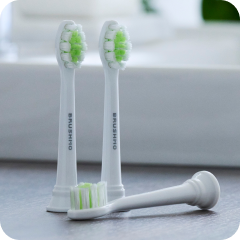
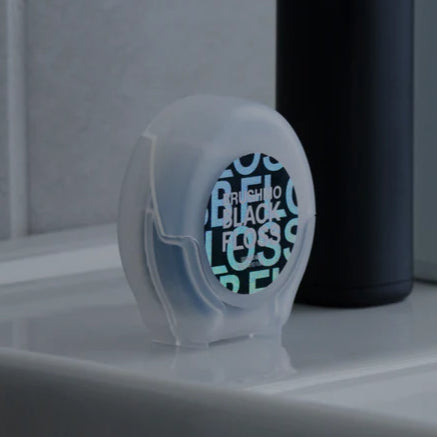
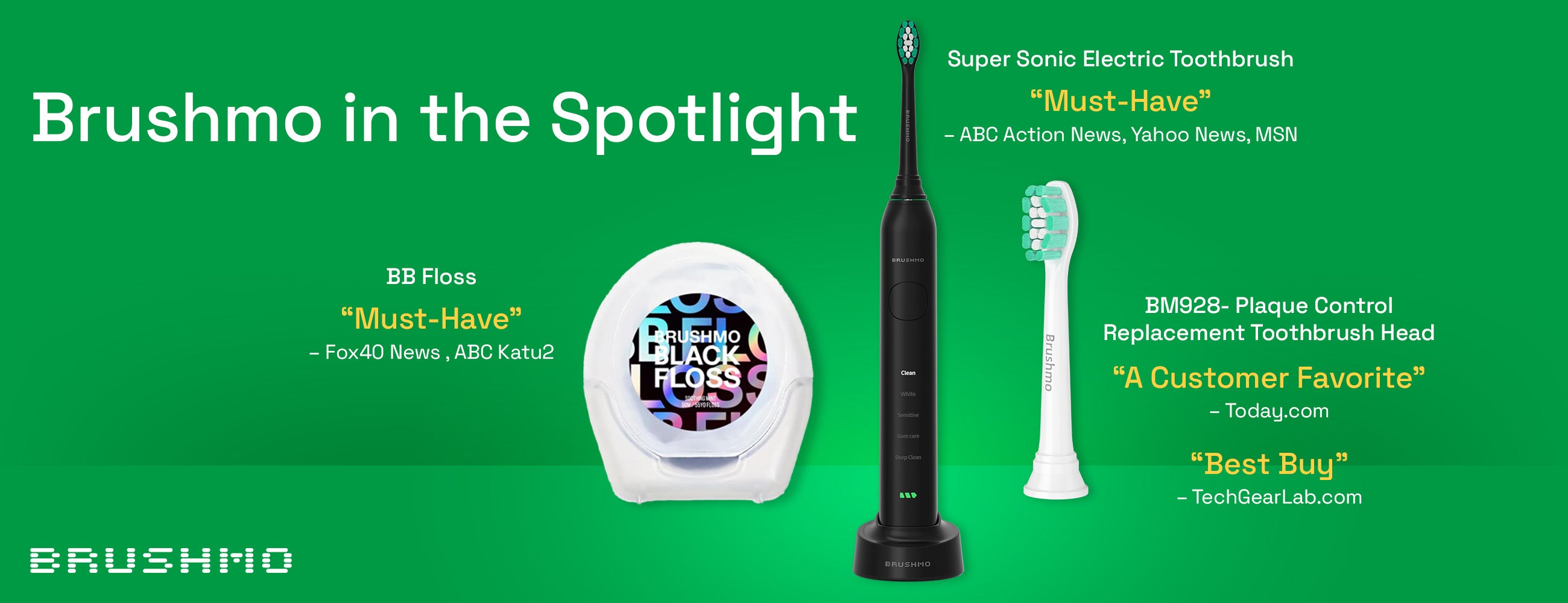
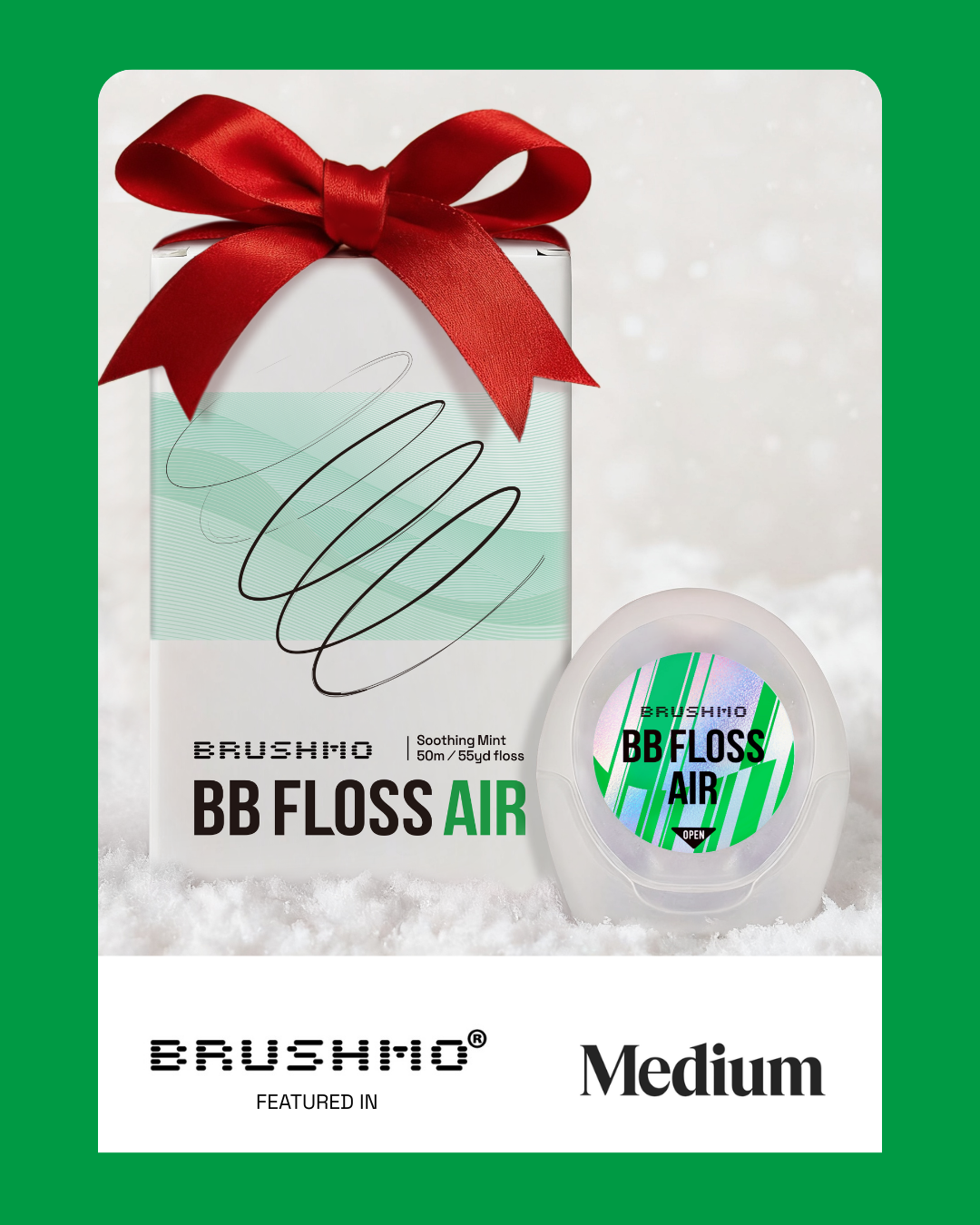
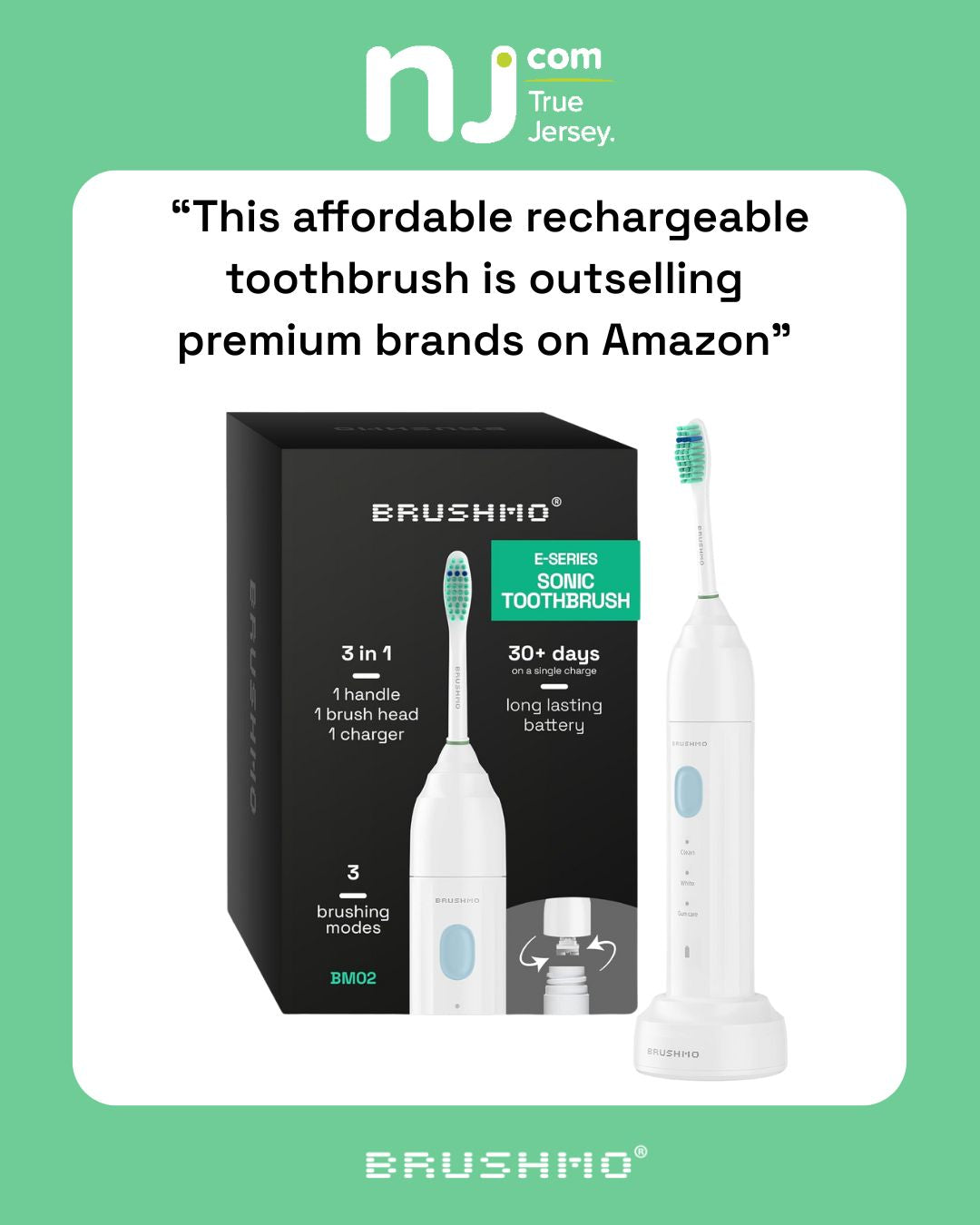
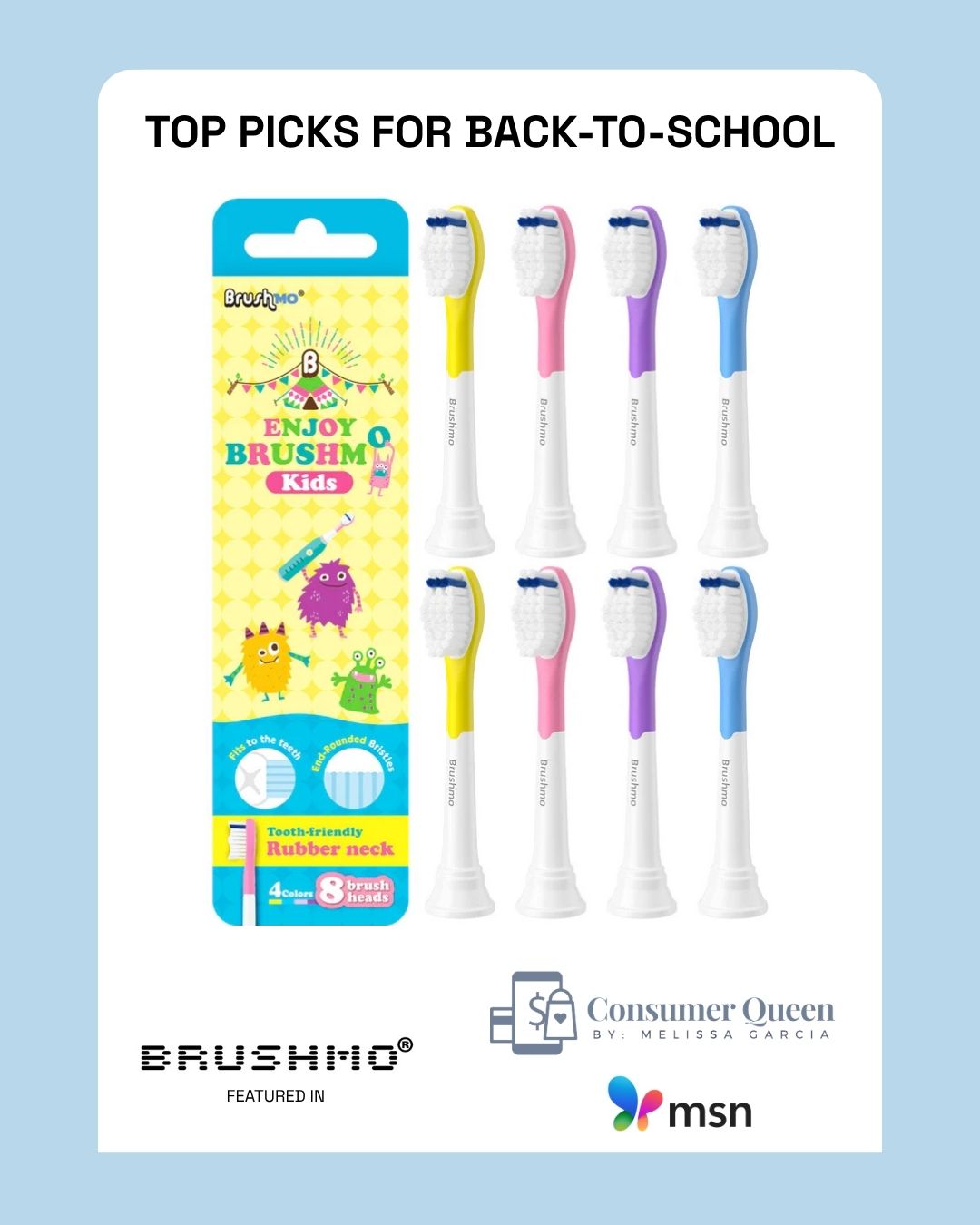
For care supplies, compare floss options or find a compatible brush head. Browse more guides in the Learning Center.
Updated September 20, 2026 · Brushmo. This revised educational article does not claim individual clinician review.




Leave a comment
This site is protected by hCaptcha and the hCaptcha Privacy Policy and Terms of Service apply.